

What Does a Gas Boiler Engineer Do?
A certified gas boiler engineer can offer expert installation, repair and maintenance for a variety of appliances and systems. Gas Safe registered engineers are committed to safety and quality regardless of whether they are independent contractors or as part of an organization.
You can study to become a Gas Engineer at an apprenticeship or college, or by using the Accredited Certificate Scheme (ACS). After completing the course, a person could apply to be listed in the Gas Safe Register.
Qualifications
Gas engineers install maintenance and repair of gas heating equipment, such as wall heaters, cookers and boilers. Gas engineers also inspect gas supply and look into suspected leaks. Gas engineers can work for themselves, or for companies which employ them. Both can be profitable but being self-employed can give you more flexibility and freedom. The newcomers typically begin with a formal training course and then complete an on-the-job training period to build a portfolio of experience.
After completion of their training, a gas engineer must obtain an Accredited Certification Scheme (ACS) certificate and be recognized on the Gas Safe Register. The process is ongoing and new safety regulations and developments require that engineers be trained to stay up to date.
There are multiple routes into the profession and some individuals opting for a college course followed by a trainee role and then a more advanced training. Some students are offered an apprenticeship, which provides paid workplace training alongside classes-based learning.
advice here begin as plumbers. They then decide to take further qualifications to become a heating engineer. This enables them to provide more specialized services. Anyone looking to hire a heating technician should verify their Gas Safe registration status. This should be displayed on the website or marketing materials.
Gas engineers require outstanding customer service skills, along with practical and technical expertise. Their responsibilities often involve them into the homes of their customers where they have to make them feel comfortable and reassured. This is especially important when the issue is severe. For example, a customer with gas leakage.
Gas engineers should be competent to work under pressure and remain focused in busy environments, where they may be required to manage multiple tasks at once. They must also be able detect issues quickly and accurately when working with complex systems, such as central heating. In some cases it may be required for gas pipes to be relocated and can cause serious interruptions to businesses and homes.
Experience
A gas boiler engineer is a person who installs, repairs or services central heating and gas appliances. systems. This is a physically demanding job that requires a lot. People who enjoy seeing direct results from their work will find it extremely rewarding. It is also a very varied job; every day presents new challenges and new problems to solve. The work can be very hectic, and can require a significant amount of travel.
To become a gas boiler technician, you must first undergo formal education. This can be accomplished through the college course that teaches the basics of heating and plumbing or through an apprenticeship in plumbing that blends classroom instruction with practical experience. Once this basic level of training is completed, the apprentice is able to take a Gas Safe test to become fully certified as a gas engineer.
After passing this test, the apprentice can apply for a job at a gas firm or start their own business as an independent contractor. Gas boiler engineers who is self-employed also needs to learn skills in networking, marketing and sales to be successful within their own business.
Certain heating engineers are specialized in specific types of gas appliances or systems and others will perform more general duties. Gas boiler engineers must be registered with Gas Safe in order to legally operate on any gas appliance. Therefore, it is essential to hire heating engineers who have their credentials displayed on public places or advertising material. If you are unsure of an engineer's credentials you can verify their status using the Gas Safe website.
A reputable gas boiler engineer will also have strong customer service skills, as they frequently visit customers in their homes or at their businesses. They should be able make the customer feel at ease and explain how they can solve any issues. This is especially important when the job involves installing a new gas appliance, because the customer might be worried about the safety of the process.
Licenses
To legally work boiler engineers must have an official license. The exact requirements differ by region, but they generally include fulfilling the requirements for education and qualifications for training, and adhering to safety regulations. You can find out more about the requirements for licensing by contact your local authorities, unions (members are often offered training) and vocational programs.
A license is a crucial step in becoming a gas engineer. Through a two- to three-year apprenticeship, students are trained and supervised under the supervision of a boiler operating engineer. This will allow them to acquire valuable hands-on skills and to be aware of the technical aspects of boilers and their roles.
After you have completed your apprenticeship, you could apply for the Accredited Certification Scheme (ACS), which will qualify you as a working boiler technician. This will allow you to join the Gas Safe Register and demonstrate to your clients that you are up-to-date with the most current industry standards and practices. It is recommended to renew your ACS every year, as the gas engineering industry is always changing.
You'll also need to get an engineer certificate for boilers to be able to carry out certain maintenance tasks on boilers and other heating equipment. This is a second qualification that will allow you to perform more difficult tasks, such as installing new heating systems or replacing boilers.
Boiler engineers need to be capable of communicating effectively with their customers. This is because they are often invited into people's homes for inspections or to perform repairs that can be quite disruptive. They need to be able to make their clients feel comfortable and secure that they're doing the work safely.
The duties of a boiler engineer will vary based on the kind of equipment they are working with, but they all require an element of technical understanding of gas and heating systems. A boiler engineer who works with heating systems using oil for instance, needs to be registered with OFTEC. A heating engineer who works exclusively with gas stoves is required to be Gas Safe registered.
Training
There are a number of ways to become gas engineer, for example through a college course or apprenticeship. The traditional NVQ option is popular due to the fact that it blends classroom instruction with hands-on experience. Some individuals also opt to pursue the Managed Learning Programme (MLP) course or opt for an Accredited Certification Scheme (ACS).
Gas engineers receive a rigorous training that focuses both on theoretical and practical skills. It covers the basic principles of plumbing, heating systems and gas appliances, as well as more advanced areas like safety and operational mechanics. The program typically lasts around 300 hours of supervised learning and can be taken in a classroom or as part of an apprenticeship.
In the initial phase of training, students learn how to work safely and legally using their technical knowledge to deal with real-world situations. They also create an account of their experiences and learning to demonstrate their proficiency as gas engineer. This is a vital part of the registration process through the Gas Safe Register.
Once certified, a boiler engineer can work for a business or as a self-employed contractor. This flexibility and the huge demand for skilled professionals makes it a desirable option for many. With the right skills and attitude tech-savvy individuals can help their customers solve problems to keep their homes warm.
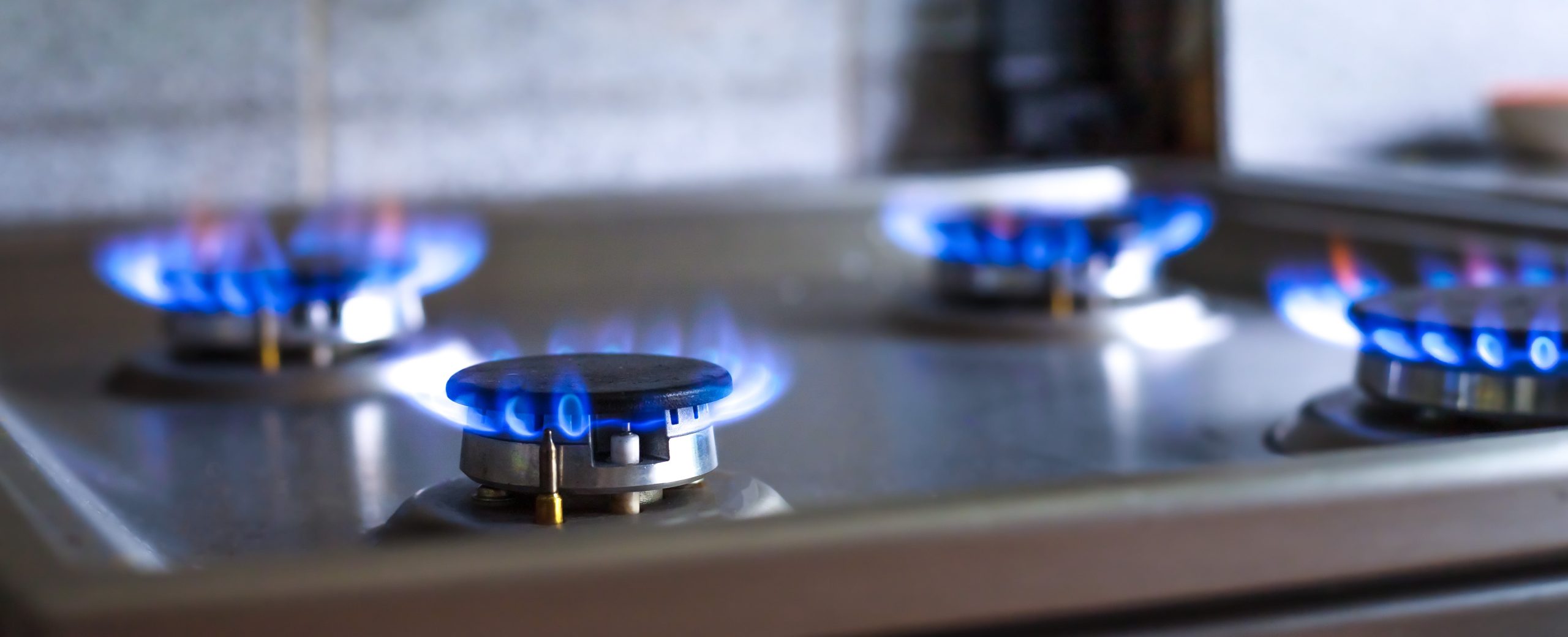
In addition to their technical skills gas engineers also need interpersonal skills. Gas engineers often visit customers' homes to perform routine inspections or emergency repair work. They must be able to put their customers at ease by offering assurances and responding to questions. It is important that gas engineers enjoy working with their customers.
Many gas engineers seek out additional qualifications to enhance their job prospects and better serve their customers. They can be certified with the Carbon Monoxide Checking and Issue of Safety Certificates (CCN1) qualification, which permits them to check commercial premises that have gas pipes greater than 35mm. This certification allows gas engineers to comply with current legislation regarding the safe operation and maintenance of gas appliances. It also helps prevent malfunctioning systems from causing explosions or fires.